

Pakistan’s First Lady marks working birthday at Zayed Human Fraternity Majlis in Abu Dhabi
Aseefa Bhutto Zardari highlights women-led healthcare legacy at global leadership forum

ABU DHABI – Pakistan’s First Lady, Aseefa Bhutto Zardari, marked her birthday with a full day of public engagements as she participated in the 2026 Zayed Award for Human Fraternity Majlis in Abu Dhabi, joining prominent global leaders in a high-level discussion on female leadership, social cohesion, and community-driven development.
Her participation came at a time of national mourning, with the First Lady acknowledging birthday messages while urging unity and support for victims of recent tragedies in Pakistan, including a deadly terrorist attack in Balochistan and a devastating fire at a Karachi shopping mall that claimed at least 67 lives.

Held at the newly opened Zayed National Museum on Saadiyat Island, the Majlis formed a central part of the UAE’s observance of the International Day of Human Fraternity and was convened ahead of the seventh Zayed Award for Human Fraternity ceremony. The gathering brought together first ladies, former heads of state, humanitarian leaders, and policymakers to exchange perspectives on peace-building, coexistence, and inclusive leadership.
Working birthday as I look forward to attending 2026 Zayed Award for
— Aseefa B Zardari (@AseefaBZ) February 3, 2026
Human Fraternity Majlis. Overwhelmed by the good wishes. Mindful of the tragic attack in Balochistan and the tragic loss of life in Karachi, I request everyone to please give back to your community and support…
Zayed Award for Human Fraternity
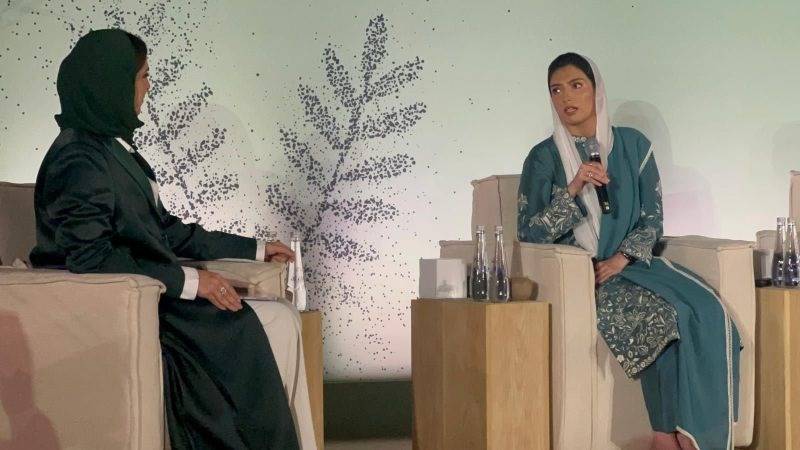
The First Lady participated in a panel titled Female Leadership at the Heart of Human Fraternity, moderated by Mina Al-Oraibi, Editor-in-Chief of The National. She shared the platform with Lebanon’s First Lady Nehmat Aoun, Colombia’s First Lady Verónica Alcocer García, Indonesia’s former president Megawati Sukarnoputri, Azerbaijan’s Leyla Aliyeva, and senior leaders from across Asia, the Middle East, and Latin America.
Participating in the Zayed Award for Human Fraternity - Female Leadership at the Heart of Human Fraternity. Honoured to have met distinguished fellow panelist’s and hear their incredible stories pic.twitter.com/nsJE0I3n6h
— Aseefa B Zardari (@AseefaBZ) February 3, 2026
During her remarks, Aseefa Bhutto Zardari drew on Pakistan’s experience of women-led grassroots initiatives, describing how trust-based engagement at the community level has delivered measurable social outcomes. She highlighted the role of women as both caregivers and leaders, stressing that durable social change begins within families and neighbourhoods rather than through top-down directives alone.
UAE Minister of Tolerance and Coexistence Sheikh Nahyan bin Mubarak Al Nahyan, addressing the forum, reiterated that the late Sheikh Zayed bin Sultan Al Nahyan believed prosperity and peace could only be sustained through shared human values, mutual respect, and dialogue across cultures.
Benazir Bhutto’s legacy
Invoking the legacy of her mother, former prime minister Benazir Bhutto, the First Lady said her leadership vision had helped establish nationwide networks of women who continue to play a central role in Pakistan’s community-based healthcare system. She described the Lady Health Workers Programme as one of the country’s most enduring social initiatives, built on continuity, local trust, and direct engagement with households.
She noted that women health workers, embedded within their own communities, serve as a critical bridge between the state and families, delivering healthcare information, vaccination awareness, and maternal support. Recent campaigns, including HPV outreach and Pakistan’s nationwide polio eradication drive, were cited as examples of how culturally aware, women-led engagement has improved health outcomes for mothers and children.
Aseefa Bhutto Zardari told participants that meaningful leadership required listening, patience, and sustained presence, particularly in marginalised areas where trust in public institutions is often fragile.
Year of the Family
This year’s Majlis was held under the theme Year of the Family, reflecting the vision of UAE President and Ruler of Abu Dhabi His Highness Sheikh Mohamed bin Zayed Al Nahyan that strong families form the foundation of resilient societies. Rooted in the Emirati majlis tradition, the forum emphasised humility, wisdom, and hospitality as tools for consensus-building and cooperation.
Reflecting on her own schooling experience in the UAE during her family’s exile, the First Lady spoke about how educational initiatives such as cultural weeks and environmental awareness programmes shaped values of responsibility and mutual respect from an early age. She stressed that children learn social values most effectively when families, schools, and leadership act in harmony.
She praised the UAE’s continued emphasis on cultural preservation, service to society, and inclusive governance, describing the designation of 2026 as the Year of the Family as a timely message amid global social and political uncertainty.
Peace recognition
The Majlis preceded the seventh Zayed Award for Human Fraternity ceremony, which this year honours three recipients for their contributions to peace and humanitarian cooperation. The Armenia-Azerbaijan peace agreement was recognised through awards to Azerbaijan’s President Ilham Aliyev and Armenia’s Prime Minister Nikol Pashinyan, marking a significant diplomatic milestone after decades of conflict.
Also honoured were Afghan girls’ education advocate Zarqa Yaftali and Palestinian humanitarian organisation Taawon, in recognition of their sustained efforts to promote education, dignity, and social welfare under challenging conditions.
On the margins of the event, the First Lady met with several distinguished participants, including senior government officials and humanitarian leaders, and was received by Judge Mohamed Abdelsalam, Secretary General of the Zayed Award for Human Fraternity.